Nepali Momo Recipe: Juicy Steamed Dumplings From Scratch
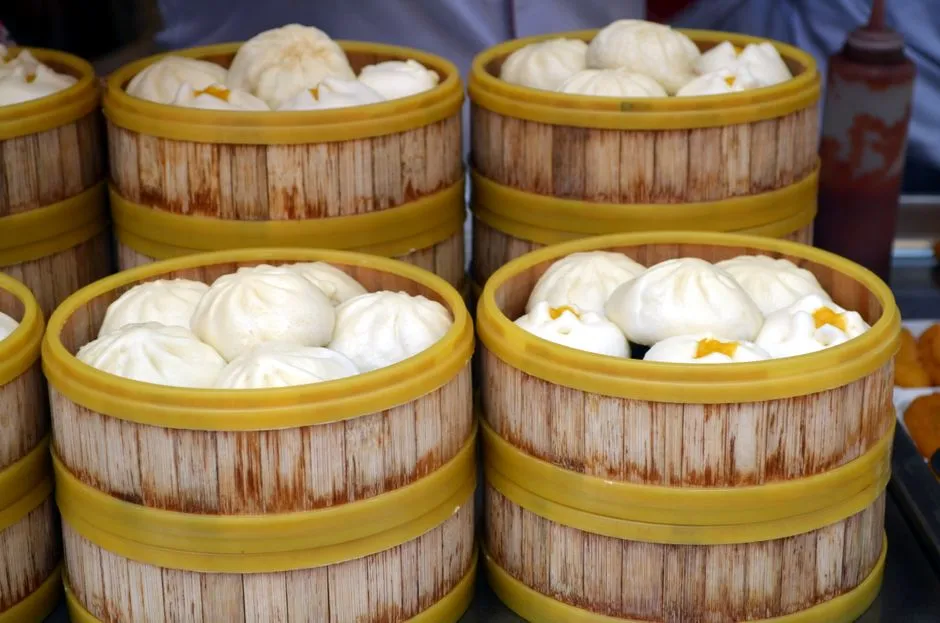
How to Make Nepali Momos From Scratch
A Nepali momo is a steamed dumpling with a thin wheat-flour wrapper and a juicy, spiced filling — most often chicken or buff (water buffalo) in Nepal, with chicken being the easiest choice for home kitchens elsewhere. The full process has four stages: mix a simple flour-and-water dough, make a well-seasoned filling, pleat, and steam. None of it requires special skill, but momos punish guesswork, so this recipe writes the ratios down precisely.
The batch below makes 30 momos: about 380 g of dough at 12–13 g per wrapper, and about 460 g of filling at roughly 15 g per momo, so the two run out together. Expect roughly 90 minutes the first time, and closer to an hour once your hands learn the pleat.
Momo Dough Recipe: One Ratio, Three Ingredients
Momo dough is all-purpose flour, water, and a pinch of salt. No yeast, no egg, no oil required. The ratio is the whole recipe: roughly two parts flour to one part water by weight, or 50–56% hydration.
- 250 g (2 cups) all-purpose flour
- Pinch of salt
- 125–140 ml (½ cup plus a splash) lukewarm water
About 380 g of dough: 30 wrappers at 12–13 g.
Add the water gradually — flours absorb differently — and stop when the dough comes together into a firm, slightly stiff ball. It should feel noticeably firmer than pizza dough. Knead 8–10 minutes until smooth, then cover and rest at least 30 minutes at room temperature. The rest relaxes the gluten so you can roll the wrappers thin without them snapping back.
A stiff dough matters: soft dough tears during pleating and turns gummy in the steamer.
Chicken Momo Filling
The secret to a juicy filling is fat and raw onion. Nepali cooks use fatty meat and a generous amount of finely chopped onion, which releases moisture as the momo steams, basting the filling from inside.
Mix together thoroughly. The finished filling weighs about 460 g — 30 momos at roughly 15 g each:
- 300 g (about 10½ oz) ground chicken — thigh meat if you can get it; breast alone steams up dry
- 1 small onion, minced fine (about ¾ cup, 100 g)
- 3 garlic cloves and a thumb of ginger (about 15 g), grated
- 2 tbsp chopped cilantro
- 1 tsp ground cumin
- ½ tsp ground coriander
- ¼ tsp ground Sichuan pepper (the closest supermarket stand-in for Nepali timur; optional but distinctive)
- 1 tsp salt
- 1 tbsp neutral oil — or melted butter; make it 2 tbsp if breast was all you could find
Mix with your hand for a full minute until the filling looks slightly sticky and cohesive. Refrigerate it while you roll wrappers; a cold filling is easier to pleat around.
Substitutions that work: 300 g ground pork (skip the added oil — pork brings its own), or finely chopped cabbage plus crumbled paneer to the same 460 g total for a vegetarian version — salt the cabbage first and squeeze it dry so the momos don't go soggy.
Rolling, Filling, and Pleating
- Divide the rested dough into 30 pieces of 12–13 g — a scale beats eyeballing here. Keep the pieces covered; this dough dries out fast.
- Roll each piece into a circle about 10 cm (4 in) across. At that width, 12–13 g of dough lands near a millimeter thick: thin at the edges, slightly thicker in the center, so the base doesn't burst. Circles much smaller than that are too thick to steam through cleanly.
- Place a rounded tablespoon of filling — about 15 g — in the center. Weigh the first two or three until your eye calibrates. Resist overfilling: it's the number-one beginner mistake, it splits seams, and it runs you out of filling before the wrappers are gone.
- Pleat: hold the wrapper in your non-dominant palm, then pinch small folds around the edge with the other hand, gathering them into a twist at the top. A dozen or so small pleats is where practised hands tend to land; four fat pinches that seal completely is a perfectly good first batch.
A sealed momo matters more than a pretty one. Any gap leaks the juices you worked to build.
How Long to Steam Momos
Steam chicken momos for 10–12 minutes over water at a rolling boil, in a single layer with space between each dumpling. Grease the steamer tray or line it with cabbage leaves or parchment, or the momos will glue themselves down.
| Filling | Steam time | Doneness check |
|---|---|---|
| Ground chicken | 10–12 min | Wrapper translucent; center 165°F / 74°C |
| Ground pork, buff, or lamb | 12–14 min | Center 160°F / 71°C |
| Vegetable or paneer | 8–10 min | Wrapper translucent and glossy |
| Frozen, any filling | Add 3–4 min | Steam straight from frozen; never thaw first |
| Above about 2,000 m altitude | Add 2–3 min | Same temperature targets |
Ground meat needs a thermometer, not a guess: bacteria are mixed all through it rather than sitting on the surface, so appearance tells you nothing reliable. Probe down through the pleat twist at an angle so the tip lands in the middle of the meat, and test a momo from the center of the tray — the outer edges run hotter and read done first. Once you know your own steamer, the clock is enough.
Don't lift the lid mid-steam more than once; the temperature drop adds minutes.
The Tomato Achar (Dipping Sauce)
Momos are incomplete without a bright, spicy tomato achar. Char 3 tomatoes and 2–3 dried red chilies in a dry pan until blistered, then blend with 1 garlic clove, a small piece of ginger, a spoonful of toasted sesame seeds, salt, and a squeeze of lemon. It should be pourable, hot, and a little tangy — a sauce, not a paste.
Troubleshooting Your First Batch
- Dry filling: the meat was too lean or the momos oversteamed. Add fat, watch the clock.
- Torn wrappers: dough too soft or rolled too thin at the center. Firm dough, thick middle.
- Soggy bottoms: overcrowded steamer or condensation dripping — leave space, and tie a cloth under a metal lid, ends clear of the burner.
- Filling or wrappers left over: your portions drifted. Reset to 12–13 g of dough and 15 g of filling.
- Bland momos: underseasoned filling. Fry a teaspoon of the raw mix and taste it before you commit to pleating thirty dumplings.
Once momos are in your rotation, the natural next step into the everyday Nepali table is a proper dal bhat — the lentil-and-rice meal most of Nepal eats daily. And when you're ready to branch into other fillings, folds, and pan-fried kothey variations, the full momos and dumplings collection is where those live.