Nepali Chicken Curry: Kukhura Ko Masu Recipe
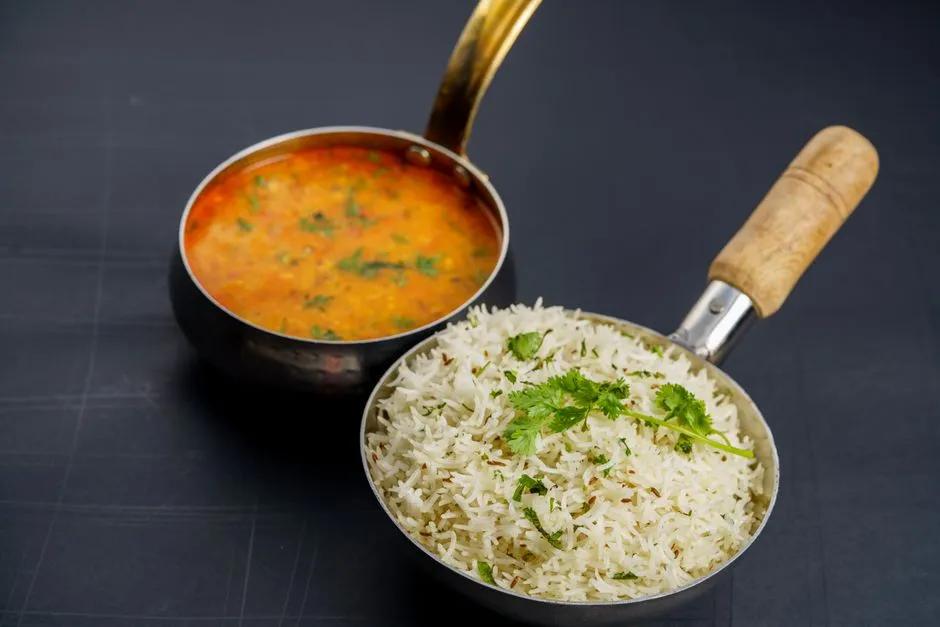
Kukhura ko masu is a family of curries, not one formula
Nepali chicken curry, or kukhura ko masu, is bone-in chicken browned with onion, tomato, ginger, garlic, cumin, coriander, turmeric, and warming whole spices, then simmered in a light gravy. The looser version is often described as jhol: enough fragrant liquid to run into rice and make the whole plate considerably more interesting.
For four servings, this recipe uses 1kg (2.2 lb) chicken and 500ml (2 cups) water. Browning the chicken before adding water gives the masala depth; finishing with cilantro, garam masala, and optional timur keeps the top notes bright. Cook until tender and verify the thickest pieces reach 165F (74C).
Nepali households cook meat differently by region, community, season, and family habit. Some curries are dry, some brothy, some heavy with tomato, and others barely use it. This is an everyday home-kitchen version, not a claim that every grandmother from Kathmandu to Karnali has secretly signed the same recipe card.
Ingredients for four
Chicken and masala
- 1kg (2.2 lb) bone-in chicken thighs and drumsticks, cut into manageable pieces
- 1 1/2 teaspoons fine salt, divided, plus more to taste
- 1/2 teaspoon ground turmeric, divided
- 3 tablespoons mustard oil or neutral cooking oil
- 1 teaspoon cumin seeds
- 2 bay leaves
- 4 green cardamom pods, lightly cracked
- 1 small cinnamon stick
- 3 cloves
- 2 medium onions, thinly sliced (about 300g)
- 1 tablespoon grated ginger
- 1 tablespoon grated garlic
- 2 medium tomatoes, chopped (about 250g)
- 2 teaspoons ground cumin
- 2 teaspoons ground coriander
- 1/2 to 1 teaspoon chilli powder, to taste
- 500ml (2 cups) hot water
- 1/2 teaspoon garam masala
- 1/4 teaspoon finely ground timur, optional
- 1 small handful cilantro, chopped
- 1 small green chilli, slit, optional
To serve
- steamed rice
- dal, greens, vegetable tarkari, or achar
- lemon wedges, optional
Bone-in thigh and drumstick pieces bring flavour and stay juicy through the simmer. Boneless thighs work but usually cook sooner. If using breast, begin checking early; a long simmer that flatters a drumstick can turn breast meat into an apology.
Mustard oil adds a sharp, traditional aroma in many South Asian kitchens. Follow the product's label for culinary use in your country. Neutral oil produces a softer but still satisfying curry.
Method
1. Season the chicken
Pat the chicken dry. Toss with 1 teaspoon salt and 1/4 teaspoon turmeric, then leave it while you slice the onions and measure the spices. Keep raw poultry and its utensils separate from ready-to-eat ingredients, and wash hands and work surfaces after handling it.
2. Bloom the whole spices
Heat the oil in a heavy, wide pot over medium heat. Add cumin seeds, bay leaves, cardamom, cinnamon, and cloves. Stir for 20 to 30 seconds, just until the cumin smells nutty and the spices become fragrant. If they blacken, the pot is too hot; burnt cumin does not become sophisticated with extra simmering.
3. Brown the onions
Add the sliced onions and remaining 1/2 teaspoon salt. Cook for 10 to 12 minutes, stirring regularly, until soft and deep golden at the edges. Add a spoonful of water if the fond threatens to burn before the onions colour.
The onion stage builds the gravy's body, so do not rush it. Pale onion gives a thinner, sharper sauce; golden onion melts into a rounder one.
4. Cook ginger, garlic, and tomato
Stir in ginger and garlic for 30 seconds. Add the tomatoes, remaining turmeric, ground cumin, ground coriander, and chilli powder. Cook 6 to 8 minutes, pressing the tomato against the pot, until it softens into the onion and the mixture looks thick rather than watery.
If the spices catch, add water one tablespoon at a time. You are frying a moist masala, not attempting to attach it permanently to the pan.
5. Brown the chicken in the masala
Add the chicken and turn every piece through the masala. Cook uncovered for 8 to 10 minutes, turning occasionally, until the exterior loses its raw colour and begins to brown. The chicken will release some liquid; keep cooking until that moisture reduces and the oil looks glossy around the edges.
This bhutne, or frying, stage gives the final curry more depth than dropping raw chicken directly into water. Do not use exterior colour to judge doneness, though. The centre still needs cooking.
6. Add water and simmer
Pour in 500ml hot water and scrape up the browned layer from the bottom. Bring to a boil, then lower to a steady simmer. Cover slightly ajar and cook for 25 minutes, turning the pieces once or twice.
Remove the lid and simmer another 5 to 15 minutes, depending on the chicken and how much jhol you want. Check the largest pieces with a food thermometer away from bone; all poultry should reach 165F (74C). The chicken should also feel tender at the joint.
7. Finish the curry
Stir in garam masala, optional timur, green chilli, and most of the cilantro. Simmer 2 minutes, then turn off the heat and rest covered for 5 minutes. Taste the gravy and adjust salt. Remove the cinnamon, bay leaves, cardamom pods, and cloves as you find them, or warn diners that the little green pod is not a bonus vegetable.
How thick should the gravy be?
For a standard spoonable curry, the liquid should lightly coat a spoon but still pour easily over rice. The 500ml starting amount leaves room for the pot, lid, and chicken to decide the final texture.
- For a thicker masu, begin with 350ml (about 1 1/2 cups) and reduce uncovered.
- For a looser jhol, use up to 650ml (about 2 3/4 cups), then simmer long enough that the spices taste integrated.
- To fix thin, flat gravy, remove the cooked chicken, boil the sauce uncovered until concentrated, then return the chicken briefly.
- To fix over-thick gravy, add hot water in 60ml (1/4-cup) splashes and simmer for a minute after each.
Do not thicken this version with flour. Onion, tomato, chicken juices, and reduction provide enough body while keeping the sauce lively.
What timur adds
Timur is a Himalayan spice related to Sichuan pepper, with citrusy fragrance and a gentle tingling sensation. It is used in many Nepali pickles and meat preparations, but amounts and customs vary. A little goes a long way.
Grind it finely and add 1/4 teaspoon near the end. Long boiling quiets the aroma. If timur is unavailable, a tiny amount of Sichuan pepper gives a related citrus-and-tingle effect, though it is not identical. Leaving it out is better than adding a heroic spoonful and making every diner wonder why the curry is buzzing.
Serving a Nepali chicken curry plate
Spoon the chicken and jhol beside steamed rice, with dal bhat components around it: lentils, a vegetable tarkari, greens, and something sharp such as tomato or radish achar. Mix a little gravy into the rice with each bite.
Chicken curry is often a richer addition to the everyday lentil-and-rice table rather than a replacement for it. For a party, momos make a natural starter; our from-scratch momo recipe covers dough, filling, pleating, and safe poultry temperature.
Troubleshooting
The curry tastes raw or dusty
Ground spices did not cook long enough in the tomato masala, or the finished gravy did not simmer after water was added. Continue simmering gently. Next time fry the tomato-spice mixture until thick and glossy before adding chicken.
The onions burned before softening
The heat was high or the pot too dry. Lower the heat and add a spoonful of water whenever dark patches race ahead. A heavy pot gives more room for error.
The chicken is tough
It may need more gentle cooking, especially if using a firmer bird or large bone-in pieces. Add water if necessary and continue at a simmer, checking temperature and tenderness. Fierce boiling tightens the exterior without speeding good results.
The curry is oily
Some oil separation is normal after the masala fries, but a slick can be spooned off before serving. Next time use skinless pieces and measure the cooking oil rather than pouring with festival enthusiasm.
The sauce is bland
Check salt first. Then add a pinch of garam masala, timur, chilli, or lemon according to what is missing. More cumin is not the answer to every question.
Storage and reheating
Refrigerate leftovers promptly in shallow covered containers. USDA guidance lists cooked chicken dishes at three to four days in the refrigerator. Reheat the portion you need to 165F (74C), stirring and turning pieces so the gravy and meat heat evenly. Add a splash of water if the sauce has thickened.
Freeze for longer storage. Thaw in the refrigerator, cold water, or microwave, not on the counter. The whole spices become stronger during storage, so remove visible pods, cloves, and cinnamon before packing if you prefer a calmer second-day lunch.
Browse more everyday Nepali meals for the lentils, rice, vegetables, and relishes that complete the table. This curry brings the celebration; rice makes sure none of the jhol escapes.